Recognizing When a Tree Becomes a Hazard
Trees add beauty and value to our homes, providing shade and improving air quality. However, not every tree remains an asset forever. Sometimes, trees pose risks that necessitate prompt attention. Identifying these signs early can prevent harm to people and property. This guide will help you recognize when a tree might need urgent removal, ensuring safety in your surroundings.
Understanding Structural Damage in Trees
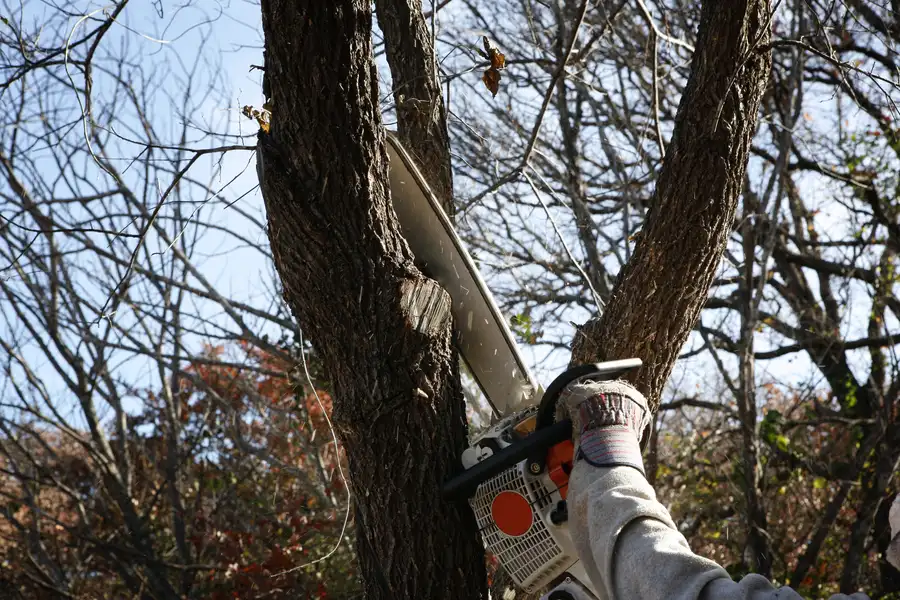
Structural damage is one of the key indicators that immediate action may be necessary for tree removal. A tree with large cracks or splits in its trunk or branches could potentially fall without warning. Such damages compromise the tree’s integrity, especially during storms. Regular inspections can help detect these issues early, allowing for safer interventions.
Spotting Diseased Trees
Disease in trees often results in decay, weakening their structure significantly. Fungi growth at the base, discolored leaves, or unusual shedding can be symptoms of disease. Addressing diseases promptly might save some trees, but others may require tree removal to prevent further spread. It’s crucial to consult with experts who can assess the situation accurately.
Identifying Deadwood
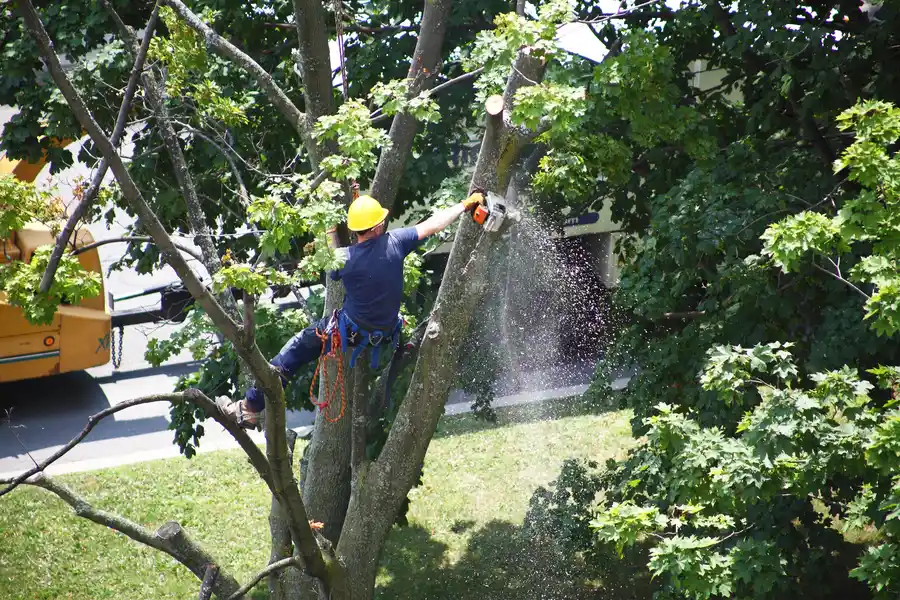
Deadwood refers to branches that no longer support life. These branches can become hazardous as they are prone to breaking off unexpectedly. Deadwood not only poses a safety risk but can also contribute to the overall health decline of the tree. Removing dead branches or considering complete tree removal ensures both safety and health of surrounding vegetation.
Checking Root Problems
Roots are vital for a tree’s stability and health. If roots start surfacing or show signs of rot, it can indicate serious underlying problems. Damaged or exposed roots not only destabilize the tree but can also affect nearby structures like sidewalks or foundations. Evaluating root health periodically is essential to determine if corrective actions or removals are needed.
Evaluating Leaning Trees
A sudden change in a tree’s posture, particularly leaning, might signal root or structural failure. While some trees naturally grow at angles, those that lean suddenly after a storm may have compromised roots. Monitoring these changes helps decide whether bracing or removal is required to maintain safety around the area.
Observing Surrounding Changes
Trees sometimes become unsafe due to changes in their environment. Construction activities nearby, soil erosion, or alterations in water drainage patterns can all impact a tree’s health negatively. Being observant about such changes allows timely decisions regarding tree maintenance or removal. It’s important to adapt care strategies based on these observations.
- Inspect trees regularly for visible damage
- Look for signs of disease like discoloration or fungi
- Note any sudden leaning or root exposure
- Assess environmental changes affecting tree health
Expert Recommendations for Tree Safety
Consulting with professional arborists provides valuable insights into maintaining healthy trees and identifying potential risks. They offer guidance on disease treatment and preventive measures tailored to specific species and conditions. Utilizing expert advice can prevent costly damage while promoting ecological balance in your landscape.
Act Now for Your Safety and Peace of Mind
If you notice any of these warning signs, it’s time to take action. Prompt intervention can prevent accidents and ensure your property’s safety. Located in Columbia, SC, we are ready to assist you with all your tree-related needs. Reach out to Tapia's Tree Experts and Landscaping LLC in Columbia for expert advice and solutions tailored to safeguard your environment. Call us today at (803) 921-5433 for consultation and services designed to protect your home and loved ones.