Exploring the Distinct Approaches to Caring for Your Trees
Trees are a beautiful and essential part of our landscapes. They provide shade, improve air quality, and enhance property value. However, maintaining their health and appearance requires proper care, which often involves tree trimming and pruning. While these terms are sometimes used interchangeably, they refer to different practices with distinct purposes. Understanding these differences can help you make informed decisions about your trees’ care.
Purpose and Goals of Each Technique
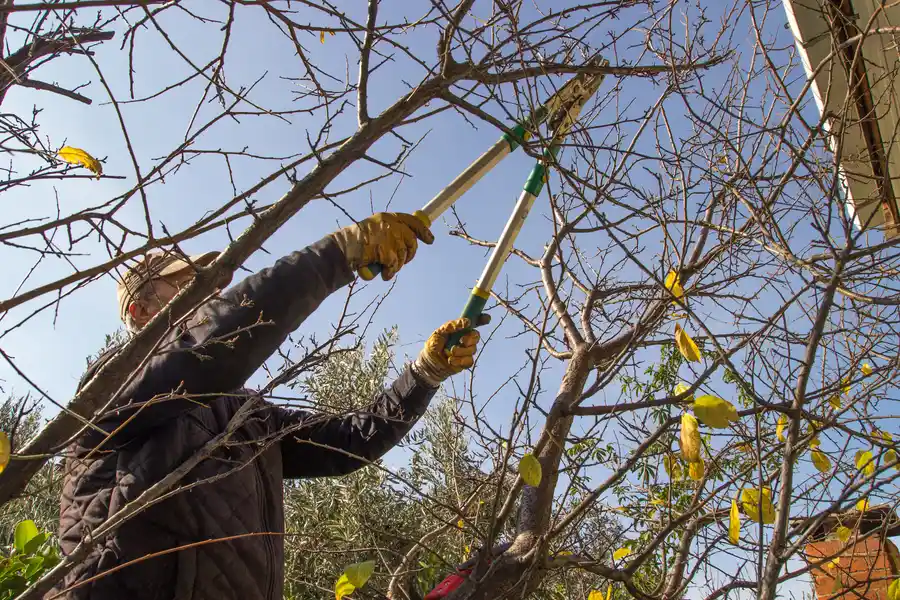
Tree trimming primarily focuses on enhancing the aesthetic appeal and structure of a tree. It involves removing overgrown branches that interfere with power lines or block sunlight from reaching gardens. In contrast, pruning is more about maintaining the tree’s health by removing diseased, dead, or weak branches. This process encourages new growth and prevents potential hazards caused by falling limbs.
When to Trim Your Trees
The best time for tree trimming depends on the tree species and climate. Generally, it’s recommended during late winter or early spring when trees are dormant. Performing tree trimming at this time minimizes stress on the trees and promotes vigorous growth in the spring. Different tree types might have specific requirements, so consulting an arborist could be beneficial.
Pruning Timing for Optimal Health
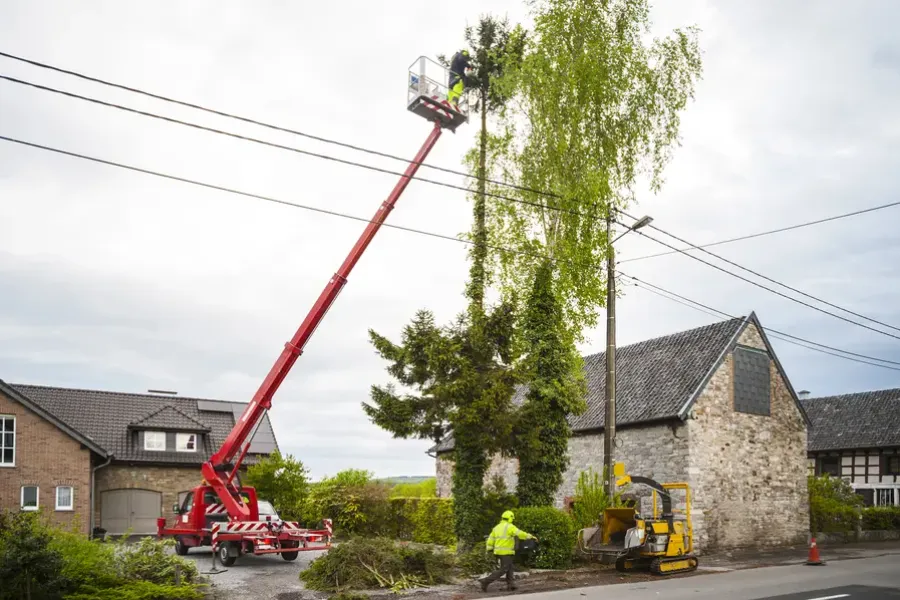
Unlike tree trimming, pruning is often performed during late fall or winter when trees are dormant, reducing the risk of disease spread. This timing allows trees to heal better from cuts made during the process. Regular pruning helps prevent infestations and diseases by improving air circulation within the canopy and allowing light to penetrate deeper into the tree’s interior.
Techniques Involved in Trimming and Pruning
Both practices involve cutting away parts of the tree but differ in techniques. Tree trimming uses tools like shears or saws to shape a tree aesthetically. It’s about controlling size and form. Pruning, however, may involve more precise cuts using loppers or hand pruners aimed at removing unhealthy branches right down to the main stem or trunk. Proper technique ensures the tree’s wound closes quickly, preventing infection.
Benefits of Proper Tree Care
Caring for your trees through regular trimming and pruning offers several benefits:
- Improved tree health by removing diseased or damaged branches
- Enhanced landscape aesthetics and property value
- Reduced risk of falling branches causing injury or damage
- Better sunlight exposure for other plants growing beneath
- Increased air circulation within the tree’s canopy
Common Misconceptions About Tree Maintenance
Many people think that trimming and pruning can be done at any time without consequence. However, improper timing or technique can harm trees rather than help them. Another misconception is believing that more frequent cutting leads to healthier trees, but over-pruning can stress trees and inhibit growth. Understanding the correct methods is crucial for maintaining healthy trees.
Investing in Professional Care Services
If you’re unsure about how to properly trim or prune your trees, hiring professional services might be worthwhile. Experts understand the unique needs of different species and have the tools necessary for safe and effective maintenance. Consider professional help if your trees require extensive care or if safety concerns arise due to height or proximity to structures.
Your Partner for Expert Tree Care Services
If you’re looking to keep your landscape vibrant and safe, reach out to us at (803) 921-5433. Our team at Tapia's Tree Experts and Landscaping LLC in Columbia specializes in providing comprehensive tree care solutions tailored to your needs. Located in Columbia, SC, we pride ourselves on delivering quality service that exceeds expectations and nurtures your green spaces effectively.